
Why Root Canal Treatment Should Not Be Postponed

Source:
Dr. Marketing
A toothache rarely appears without a reason. Sometimes it starts as a mild sensitivity when drinking coffee or eating ice cream. Other times, it presents as a sharp pain that comes and goes throughout the day. Regardless of how it begins, many people make the same assumption: if the discomfort is manageable or eventually disappears, the problem must be getting better.
Unfortunately, that is not always the case.
When our dentist recommends root canal treatment, it is usually because the inner portion of the tooth has become inflamed or infected. Unlike many minor aches and pains elsewhere in the body, an infected tooth cannot typically heal on its own. Delaying treatment often allows the infection to continue progressing beneath the surface, even when symptoms appear to improve.
At Smiles Dentistry in Toronto, we often meet patients who postponed treatment because the pain seemed temporary or because they hoped the problem would resolve naturally. Understanding what happens inside a tooth when treatment is delayed can help explain why timely care is often the best way to protect your oral health and preserve your natural smile.
Why an Infected Tooth Does Not Usually Heal on Its Own

To understand the consequences of delaying treatment, it helps to understand what a root canal is designed to address. Inside every tooth is a soft tissue known as the dental pulp. This area contains nerves, blood vessels, and connective tissue. When bacteria enter the pulp through deep decay, a crack, trauma, or a failing filling, the tissue can become infected.
Unlike an infection on the skin, where the body's immune system can often reach the affected area directly, the pulp is enclosed within the hard structure of the tooth. Once bacteria establish themselves inside this space, it becomes extremely difficult for the body to eliminate the infection without professional treatment.
This is why root canal treatment is often recommended. The procedure removes the infected tissue, cleans the internal canals of the tooth, and seals the area to prevent further bacterial invasion. Without treatment, the infection often continues its progression, even if symptoms change over time.
Stage One: Sensitivity and Intermittent Pain

The earliest signs of pulp inflammation can be easy to ignore.
Many patients first notice sensitivity to hot or cold foods and beverages. Others experience occasional discomfort when chewing or biting down. Because these symptoms may come and go, it is common for people to postpone seeking treatment. At this stage, the tooth may still be highly responsive because the nerve inside remains alive and inflamed. Patients often convince themselves that the issue is minor because the pain is not constant.
However, inflammation inside the tooth frequently becomes more severe over time. What begins as occasional sensitivity may gradually progress into longer-lasting discomfort and more intense pain episodes. This stage often provides the greatest opportunity for early intervention before complications develop.
Stage Two: When the Pain Suddenly Improves
One of the most misleading stages of a dental infection occurs when the pain begins to fade.
Many patients feel relieved when a tooth that was causing discomfort suddenly stops hurting. They assume the problem has resolved itself and cancel plans to seek treatment. In reality, this change may indicate that the nerve inside the tooth is dying.
As the infection damages the pulp, the nerve tissue loses its ability to respond normally. Because the nerve is no longer functioning properly, the pain may decrease significantly or disappear altogether.
While this may sound like good news, the infection itself has not gone away. In many cases, it continues spreading beyond the tooth even though symptoms seem improved. This is one of the most dangerous phases because patients often delay treatment even longer, believing they are no longer facing a serious issue.
Stage Three: The Infection Moves Beyond the Tooth

Once the infection extends beyond the pulp chamber, it can begin affecting the tissues surrounding the root. At this stage, patients may develop swelling, tenderness, or pressure around the affected tooth. The body's immune system attempts to fight the infection, which can lead to inflammation in the surrounding bone and gum tissue. As the infection progresses, patients may notice:
- Persistent discomfort when chewing
- Swollen gums near the affected tooth
- Increased sensitivity to pressure
- Facial swelling
- A bad taste in the mouth
- Drainage from the gums
Some individuals also experience discomfort that radiates into the jaw, ear, or surrounding facial structures. Because the infection is no longer confined to the tooth itself, treatment often becomes more urgent at this point.
When an Infection Becomes an Abscess
One of the most significant complications of delaying root canal treatment is the formation of a dental abscess. An abscess is a collection of pus caused by bacterial infection. It typically forms near the root of the tooth when the infection has spread beyond the pulp and into the surrounding tissues.
Abscesses can be extremely painful, but not all abscesses cause immediate discomfort. Some patients discover them only after noticing swelling or a pimple-like bump on the gums. Symptoms may include:
- Severe throbbing pain
- Swelling in the gums or face
- Tenderness when biting
- Fever
- Swollen lymph nodes
- Difficulty opening the mouth comfortably
In some situations, the abscess may begin draining on its own, temporarily reducing pressure and discomfort. However, this does not mean the infection has resolved. The underlying source of the infection remains active and continues to require professional treatment.
When Saving the Tooth Becomes More Difficult
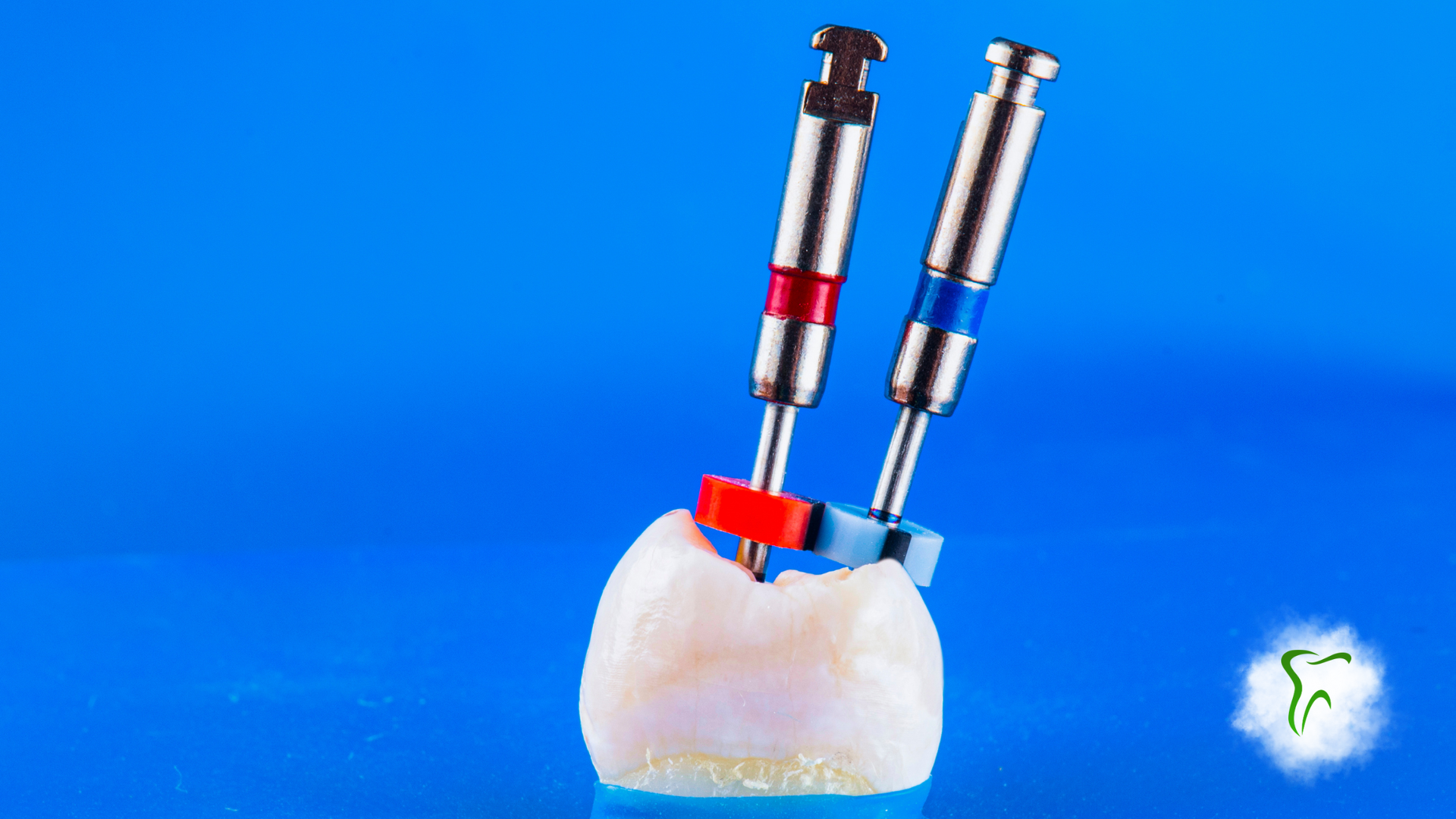
Root canal treatment is designed to preserve a natural tooth whenever possible. The longer the treatment is delayed, however, the greater the risk that the tooth may become too damaged to save.
As infection progresses, several problems can develop simultaneously. The tooth structure may become weakened, the surrounding bone may begin to deteriorate, and cracks may form due to ongoing infection and stress.
Eventually, the damage may become so extensive that extraction becomes the only realistic option. This is an important distinction that many patients do not fully appreciate. A root canal is often recommended specifically to avoid losing the tooth. Delaying treatment can sometimes eliminate that opportunity.
While modern tooth replacement options such as dental implants and bridges can restore function, preserving the natural tooth is generally the preferred outcome whenever possible.
The Hidden Costs of Waiting
Many patients postpone root canal treatment because they are trying to avoid a procedure. Ironically, delaying treatment often leads to more complex and costly care. An infection that could have been treated with a straightforward root canal may eventually require:
- Emergency dental visits
- Antibiotic therapy
- Abscess management
- Tooth extraction
- Bone grafting procedures
- Dental implants or bridges
There is also the personal cost to consider. Persistent dental pain can interfere with sleep, concentration, work responsibilities, and daily activities. What begins as a minor inconvenience can gradually affect the overall quality of life. In many situations, earlier treatment results in simpler treatment, less discomfort, and a better long-term prognosis.
Taking Action Before the Problem Progresses

One of the biggest misconceptions about root canal treatment is that it is something patients can postpone indefinitely without consequences. In reality, root canal treatment is often recommended because an infection has already reached the inner portion of the tooth and requires professional intervention.
The earlier the problem is addressed, the greater the likelihood of preserving the natural tooth and avoiding complications such as abscesses, bone loss, and tooth extraction.
If you are experiencing lingering tooth sensitivity, pain while chewing, swelling, or other signs of infection, do not assume the problem will resolve on its own. At Smiles Dentistry in Toronto, we help patients diagnose and treat infected teeth before they become more serious concerns. Book your consultation today to learn how timely treatment can help protect your oral health and preserve your natural smile.
Share
Related Posts