
Dental Implants in Toronto

Replace missing teeth with dental implants designed to restore the appearance, stability, and function of your smile. At Smiles Dentistry, we provide implant treatment options for patients missing a single tooth, multiple teeth, or a full arch of teeth.

Black squiggle doodle of two mirrored abstract figures or animals facing each other.
Replace One or Multiple Missing Teeth
Black outline of a tooth-shaped screw or dental implant icon on a white background
Single Tooth and Full-Arch Options
Black outline of three teeth with sparkles above, representing dental care or cleanliness
Personalized Implant Treatment Plans
Shield icon with a stylized tooth outline inside
Dental Financing Available
Contact Us

Request an Implant Consultation

Interested in replacing missing teeth with dental implants? Complete the form and our team will contact you to arrange your consultation.

Send Us A Message

Replace Missing Teeth with Dental Implants

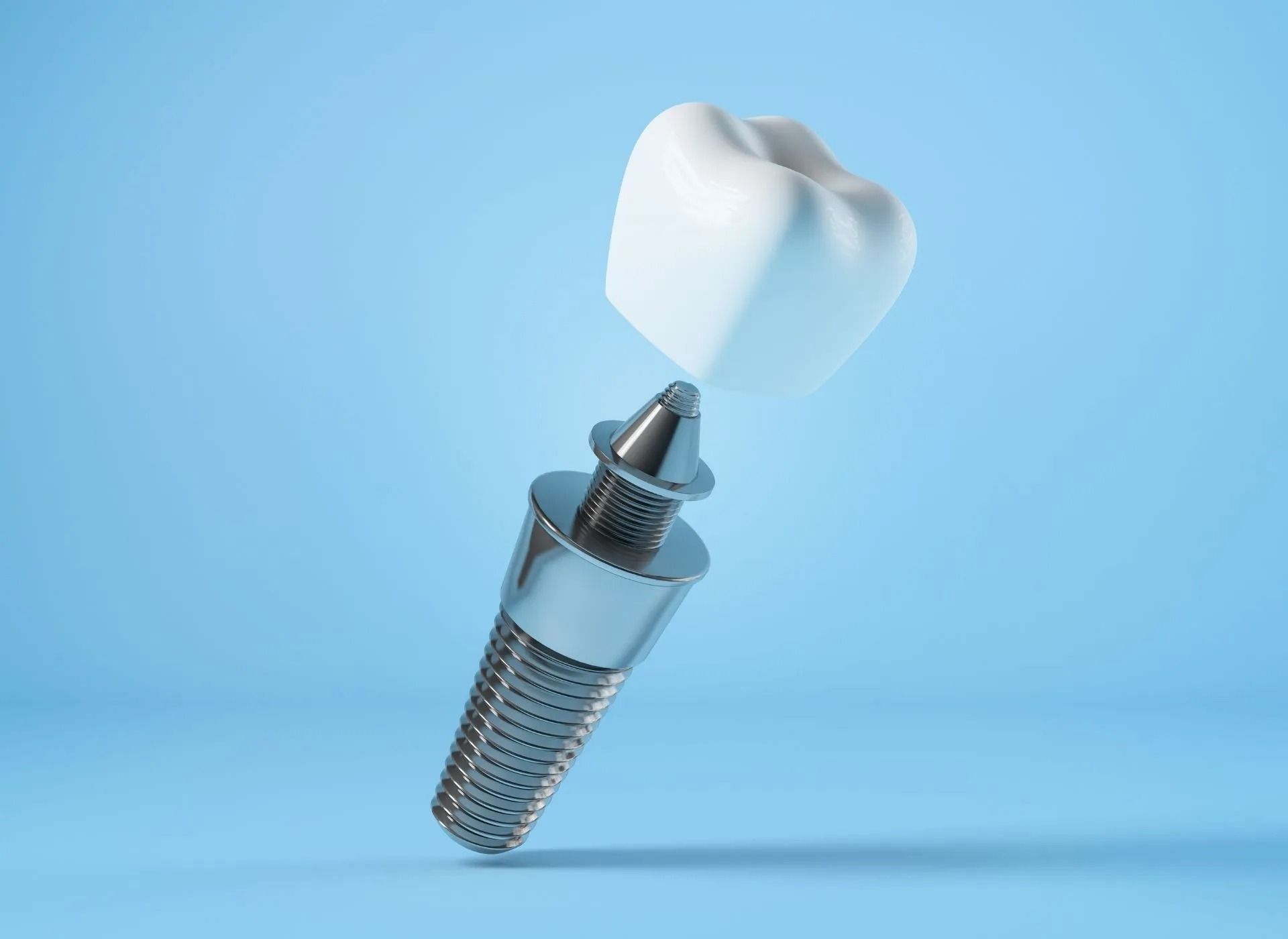
Dental implants provide a fixed foundation for replacing missing teeth. An implant is surgically placed into the jawbone and, after healing, can support a dental crown or another type of restoration.


Because dental implants are supported by the jawbone rather than relying only on the gums or neighbouring teeth, they can provide excellent stability and help restore everyday functions such as biting, chewing, and speaking.


Treatment can be customized depending on how many teeth are missing, the condition of your jawbone, your oral health, and your individual treatment goals.

Call (416) 588-8004

Find the Right Dental Implant Option

Whether you need to replace one tooth or a complete arch, we can help determine which implant treatment may be appropriate for your needs.
View All Services

Benefits of Dental Implants

Dental implants are designed to provide a stable, functional replacement for missing teeth and may offer several advantages depending on your individual needs.


  • Natural Appearance - Restorations are designed to complement your smile.
  • Improved Stability - Implants are anchored within the jawbone for secure support.
  • Restored Function - Replace missing teeth to improve everyday biting and chewing.
  • Jawbone Support - Implants can help maintain bone in areas where teeth are missing.
  • Versatile Treatment - Options are available for one, several, or a full arch of missing teeth.
  • Long-Term Solution - With appropriate care, dental implants are designed for lasting use.
Contact Us

What to Expect From Dental Implant Treatment

Dental implant treatment is planned around your individual oral health and replacement needs. Your first step is a consultation where we can assess your teeth, gums, jawbone, medical history, and treatment goals. If you are a candidate, the implant post is surgically placed into the jawbone. The area is then given time to heal so the implant can integrate with the surrounding bone. Healing commonly takes several months and varies between patients.


Once the implant has healed appropriately, the final restoration can be attached. Depending on your needs, this may be a crown for a single missing tooth or a larger implant-supported restoration for multiple missing teeth.

  • Am I a Candidate for Dental Implants?

    Dental implants may be an option for many adults who have lost one or more teeth, but candidacy depends on several factors. Healthy gums, adequate jawbone, general health, and the location of the missing teeth can all influence treatment planning.


    If bone has been lost after a tooth was removed, additional treatment such as bone grafting may sometimes be recommended to create adequate support for an implant.


    The best way to determine whether dental implants are appropriate for you is through an individual assessment. Our team can evaluate your oral health, discuss your goals, and explain the tooth replacement options available to you.

  • Dental Implant Costs and Financing

    The cost of dental implant treatment varies because every treatment plan is different. Factors such as the number of missing teeth, number of implants required, type of restoration, condition of your jawbone, and whether preparatory procedures are needed can affect the overall cost.


    For example, replacing one missing tooth with an implant and crown involves a different treatment plan than replacing a complete arch with an implant-supported restoration.


    Smiles Dentistry offers dental financing options to help eligible patients manage treatment costs. During your consultation, we can discuss your recommended treatment plan and associated costs so you can make an informed decision about your care.

Learn About Dental Financing

The Pros and Cons For Tooth Replacement Options

As dentistry advances, so do the options, methods, and techniques used to replace missing teeth. Luckily for you, we offer many different tooth replacement options and will recommend one of these options to you based on your desired outcome and budget. Not everyone is a viable candidate for each option though, so, we can discuss which tooth replacement option is best for you during your free initial consultation.

Traditional Dentures

  • Low-cost treatment
  • Non-surgical
  • Easily replaceable
  • Qualifies for dental financing


Cons


  • Offers minimal support
  • Will require relines and repairs
  • Often loosens or falls out
  • Does not halt jawbone loss
  • Must be removed to clean
  • Can cause discomfort or sore spots
  • Potential for speech and eating difficulties

Snap-In Dentures

  • Enhanced stability
  • Prevents jawbone deterioration
  • Removable for easy cleaning
  • Improved chewing and speaking capabilities
  • Qualifies for dental financing


Cons


  • Moderate treatment cost
  • May not look or feel natural
  • May need relines or repairs
  • Requires surgical procedure
  • Higher initial cost than traditional dentures

Fixed Full Arch

  • Most natural look and feel
  • Long-lasting solution
  • Maximum stability and comfort
  • Comparable to natural teeth
  • Improves oral and overall health
  • Fracture and chip resistant
  • Promotes jawbone health
  • Restores over 98% of function
  • Qualifies for dental financing


Cons


  • Requires more extensive surgical procedure
  • Cannot be removed at home
  • High treatment cost

Frequently Asked Questions

  • What is a dental implant?

    A dental implant is a small post that is surgically placed into the jawbone to provide a foundation for replacing a missing tooth or teeth. After the implant has integrated with the surrounding bone, it can support a restoration such as a dental crown or a larger implant-supported prosthesis. Dental implants can be used in different ways depending on how many teeth need to be replaced, which is why an assessment is necessary to determine the appropriate treatment for each patient.

  • Can dental implants replace just one missing tooth?

    Yes. A dental implant can be used to replace a single missing tooth. The implant is positioned in the area of the missing tooth and, once it has healed appropriately, is restored with a dental crown. This provides a fixed tooth replacement without requiring the neighbouring teeth to support a traditional dental bridge. Your dentist will assess the available bone, gum health, location of the missing tooth, and other factors to determine whether a single tooth implant is appropriate for you.

  • What if I am missing most or all of my teeth?

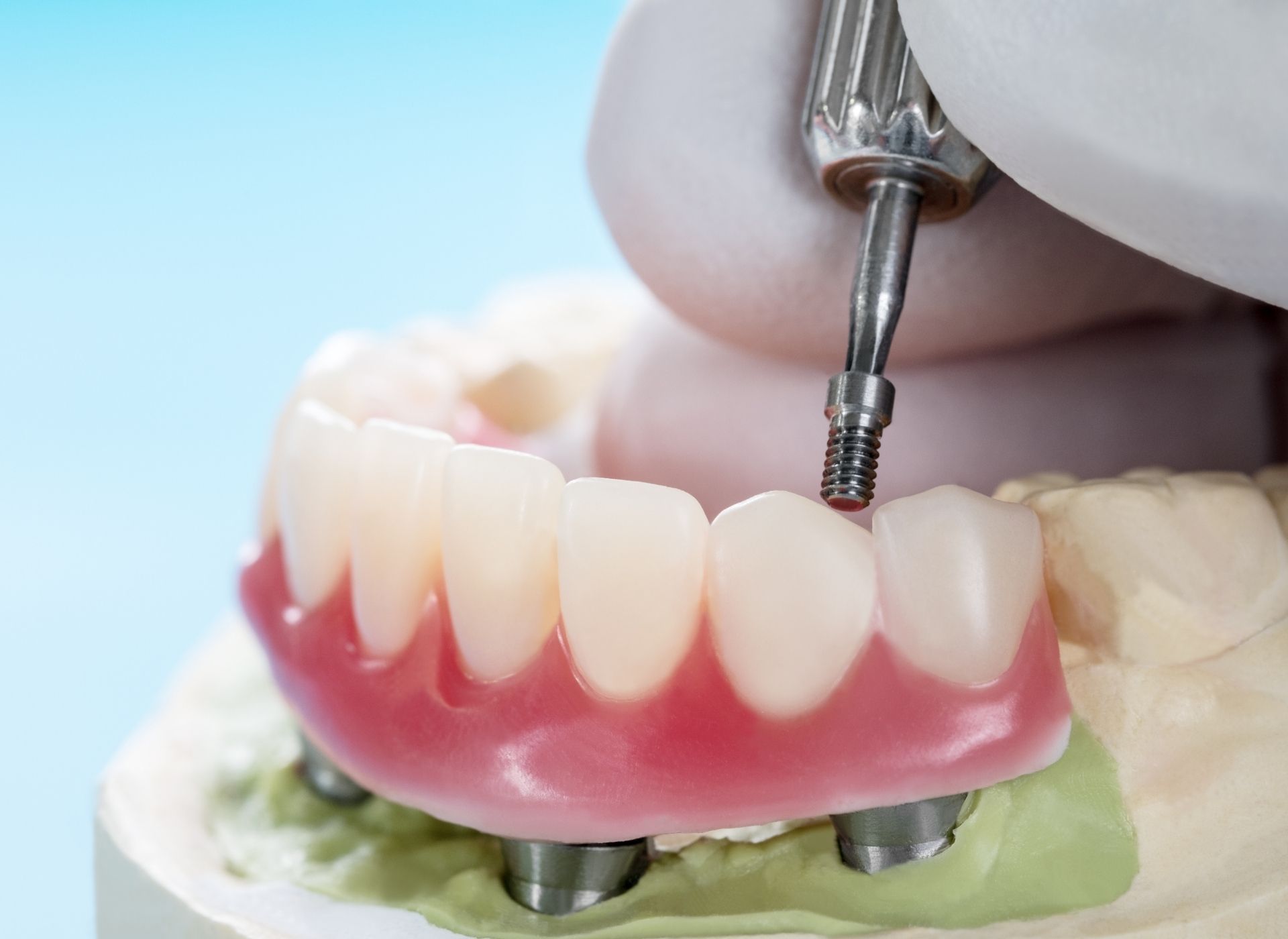
    Patients who are missing most or all of the teeth in an upper or lower arch may have implant-supported treatment options available. All-on-X dental implants use strategically positioned implants to support a fixed full-arch restoration rather than replacing every missing tooth with an individual implant. The appropriate number and position of implants depend on your anatomy, available bone, oral health, and treatment goals. An implant consultation is needed to determine whether this type of treatment may be suitable for you.

  • How long does dental implant treatment take?

    The dental implant timeline varies between patients. After an implant is surgically placed, the surrounding bone generally requires a healing period so that it can integrate with the implant. This process can take several months. Once adequate healing has occurred, the final restoration can be completed. Additional procedures such as extractions or bone grafting can also affect the overall timeline. During your consultation, our team can provide a more personalized estimate based on your oral health and recommended treatment plan.

  • Do I need a bone graft before getting dental implants?

    Not every dental implant patient requires a bone graft. However, sufficient healthy jawbone is needed to provide support for an implant. Bone can decrease after a tooth has been missing for an extended period, and some patients naturally have less bone available in certain areas. If there is not enough bone to support an implant predictably, bone grafting may be recommended before or during implant treatment. Your dentist can assess your jawbone and explain whether any preparatory procedures are necessary.

Smiles Dentistry Icon

Take the First Step Toward Replacing Missing Teeth

Whether you are missing one tooth, several teeth, or a full arch, Smiles Dentistry can help you explore dental implant options based on your individual needs. Schedule a consultation to learn more about your candidacy, treatment options, and next steps.


Request an Implant Consultation